
Introduction
Is it finally time to move on from your current vehicle? It is a question most drivers in the Kansas City area eventually ask themselves. Sometimes the answer is obvious a major breakdown, a failed inspection, or a repair estimate that makes your jaw drop. More often, the signs build slowly over time, and it can be hard to know when enough is enough. At McCarthy Auto Group, we believe every driver deserves a vehicle that is safe, reliable, and fits their lifestyle. That is why we put together this straightforward guide to help you recognize the signs that it may be time to start fresh. If you are already ready to explore your options, you can browse our new vehicle inventory, check out our current specials, or find a McCarthy Auto Group location near you.
Quick Summary
If your current vehicle is becoming less safe, less fuel efficient, more expensive to maintain, or simply no longer fits your needs, it may be time to consider a replacement. For most drivers, the smartest time to upgrade is before ongoing repair costs start to outweigh what the vehicle is actually worth.
1. Your Vehicle Has Safety Limitations
Modern vehicles are safer than ever, and that matters every single time you get behind the wheel. If your car is missing features like a rearview camera, blind spot monitoring, adaptive cruise control, or forward collision warning, you may be driving a vehicle that is behind the times in more ways than one. According to the U.S. Department of Transportation, rear visibility technology became required on all new vehicles built on or after May 1, 2018. If your current car does not have that, it is worth thinking about what else it may be missing. Newer vehicles come loaded with advanced driver assistance technology designed to help keep you and your passengers safer on the road. If safety is a top priority for you, browsing our new vehicle inventory is a great place to start.
2. You’re Spending Too Much on Gas
Fuel prices go up and down, but one thing that stays consistent is that older vehicles almost always lag behind newer models when it comes to fuel efficiency. If you are making more trips to the pump and watching your monthly fuel costs climb, your vehicle may be costing you more than you realize. Upgrading to a newer, more efficient model especially a hybrid or an SUV with a modern powertrain can make a meaningful difference in what you spend over the course of a year. If fuel savings matter to you, now is a good time to compare our new vehicle inventory alongside our current vehicle specials.
3. Repair Bills Are Adding Up
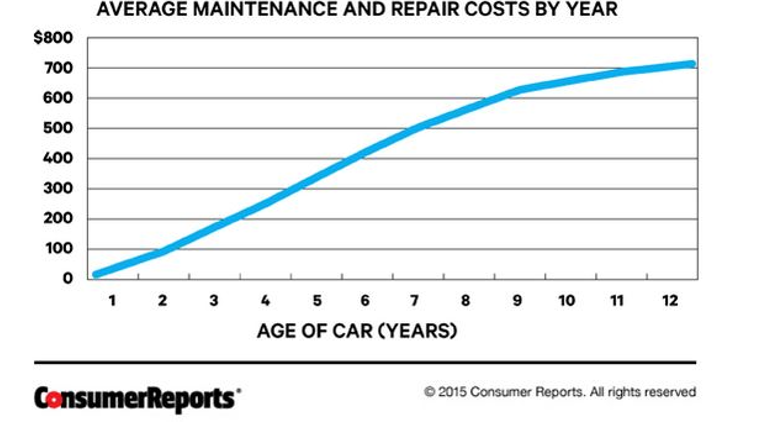
One repair here and there is normal. But when you find yourself back at the shop every few months — and the bills keep growing — that is a sign worth paying attention to. A good rule of thumb is this: if a single repair costs more than the vehicle is worth, or if your monthly repair expenses are creeping toward what a car payment would be, replacing the vehicle is likely the smarter financial decision in the long run.
4. Your Check Engine Light Is a Permanent Fixture
A check engine light that comes on once and gets resolved is not a big deal. A check engine light that seems to live on your dashboard is a different story. Persistent warning lights can signal issues with your engine, transmission, emissions system, or other critical components. If your mechanic is becoming a regular stop on your weekly route, it may be time to consider moving on.
5. The Vehicle No Longer Fits Your Life
Your needs change over time. A two-door coupe that worked perfectly when you were single may not cut it now that you have a growing family. A small sedan may not be practical if you have started hauling equipment for work or taking longer road trips. If your current vehicle no longer fits the way you actually live, that alone can be a perfectly good reason to upgrade. Browse our new vehicle inventory to find something that truly works for your lifestyle.
6. You Are Failing Inspections
If your vehicle is repeatedly failing state safety or emissions inspections, that is a clear signal that it is struggling to meet basic standards. Fixing the underlying issues can sometimes cost more than the car is worth. At that point, putting that money toward a newer vehicle often makes far more sense. Our financing options can help make the transition to a newer vehicle easier than you might think.
7. Comfort and Technology Feel Outdated
Today’s vehicles come with features that were considered luxuries just a few years ago — things like Apple CarPlay and Android Auto, wireless charging, heated and ventilated seats, and large touchscreen displays. If getting into a newer car feels like stepping into a completely different world, that gap in comfort and technology is something worth factoring into your decision. Visit one of our McCarthy Auto Group locations to experience the difference for yourself.
8. Insurance Costs Are Not Dropping
A lot of drivers assume that older vehicles automatically cost less to insure, but that is not always the case. If your vehicle lacks modern safety technology, you may be missing out on discounts that are available to drivers of newer models. In some situations, upgrading to a vehicle with more advanced safety features can actually help bring your insurance costs down while giving you better protection on the road. It is worth comparing quotes with your provider before making a final call.
9. Your Car Is Over 10 Years Old
Vehicles are built to last longer than they used to be, but age still matters. Once your car crosses the 10-year mark, you may start noticing more frequent maintenance needs, declining reliability, and technology that feels increasingly behind. Even if the vehicle still runs, it may no longer be the most efficient, comfortable, or cost-effective choice for your everyday driving.
10. Your Mileage Is Getting High
Mileage is one of the clearest indicators of long-term wear. According to federal transportation data, most drivers put roughly 12,000 to 15,000 miles on their vehicles each year. Once a car reaches 100,000 miles, maintenance needs often start to increase more noticeably. That does not mean the vehicle is done, but once you push into the 120,000 to 150,000 mile range, major repairs become more likely. If reliability is starting to slip, replacing rather than repairing may be the smarter move.
Should You Replace or Repair Your Car?
Not every issue means it is time for a new vehicle. If your current car is still dependable and maintenance costs are manageable, keeping it may be the right financial move. But if several of the signs above apply to your situation at the same time, upgrading could save you money, reduce stress, and give you a vehicle that actually works for your life. At McCarthy Auto Group, we can help you with both paths. Whether you want to extend the life of your current vehicle or move into something newer, we have options to fit your needs and your budget.
Frequently Asked Questions
How do I know when it is time to get a new car?
If your vehicle is becoming less safe, more expensive to repair, less reliable, or simply no longer fits your lifestyle, it may be time to replace it. When multiple warning signs apply at once, upgrading is often the smarter long-term financial decision.
Is it better to repair my car or replace it?
It depends on the total cost of repairs, your vehicle’s age and reliability, and how many of the warning signs in this list apply to you. If repairs are becoming frequent and costly, replacing may be the better long-term choice.
What mileage is considered too high for a car?
There is no single cutoff, but once a vehicle reaches 100,000 miles, maintenance needs tend to increase. Many drivers begin shopping more seriously once their car reaches the 120,000 to 150,000 mile range.
Can a newer car save me money on fuel and insurance?
Yes, in many cases. Newer vehicles typically offer better fuel efficiency than older models, and modern safety features may qualify you for insurance discounts that older vehicles do not.
Where can I shop for a new or used vehicle near Kansas City?
You can browse new inventory, view current specials, and find a location near you at McCarthy Auto Group. Visit our locations page to find the dealership closest to you.
What safety features should a modern car have?
Modern vehicles should include a rearview camera, blind spot monitoring, forward collision warning, lane keep assist, and adaptive cruise control. Rearview cameras have been federally required on all new vehicles built on or after May 1, 2018.
How much should I spend on repairs before considering a replacement?
A common rule of thumb is that if a single repair costs more than the vehicle is worth, or if your monthly repair bills are approaching what a car payment would be, it is time to seriously consider replacing the vehicle.
Does vehicle age alone mean I need a new car?
Not necessarily, but vehicles over 10 years old often come with increased maintenance needs, outdated technology, and declining reliability. Age combined with high mileage and frequent repairs is a strong indicator that it may be time to upgrade.
Conclusion
Knowing when to move on from your current vehicle is not always easy, but the signs are usually there if you know what to look for. From rising repair costs and fading reliability to outdated safety features and high mileage, these are all signals that your vehicle may have run its course. If several of these apply to you, it may be time to take the next step. The team at McCarthy Auto Group is here to help you find the right vehicle at the right price. Browse our inventory, check out our latest specials, explore your financing options, or visit one of our locations near Kansas City. Your next vehicle should feel like a genuine upgrade — and we are here to make that happen.
Sources
